August 25, 1950: Truman Sends the Army to Run the Railroads
Today in 1950 · Friday, August 25, 1950
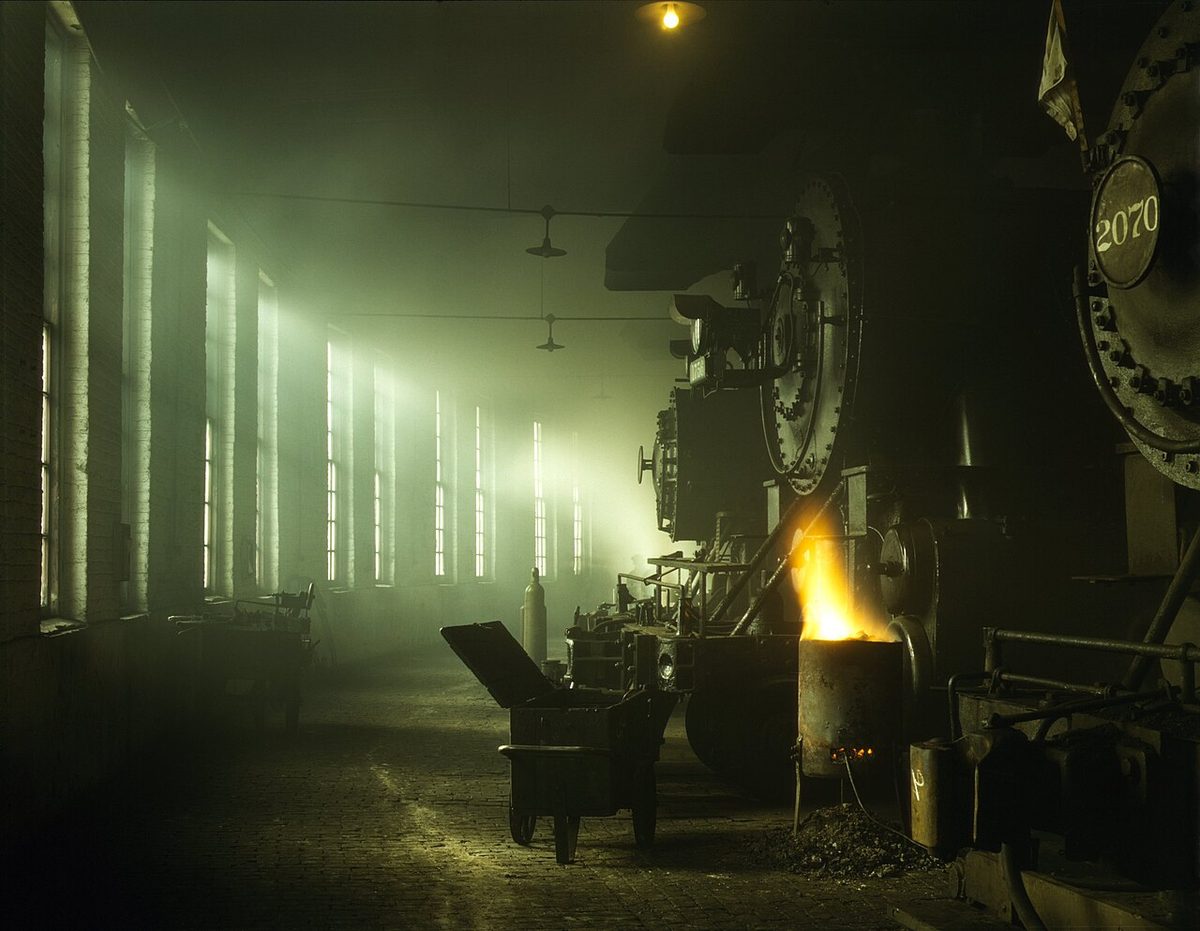
Chicago & North Western locomotives in the Chicago roundhouse, December 1942 (Kodachrome by Jack Delano) — the kind of railroads Truman ordered the Army to seize · Jack Delano, FSA/OWI Collection, Library of Congress, public domain
On this day in 1950, President Truman signed Executive Order 10155, directing the US Army to take possession and control of most of the nation's railroads. The takeover, effective August 27 at 4:00 p.m., pre-empted a nationwide strike called for 6 a.m. Monday, August 28 by the Brotherhood of Railroad Trainmen and the Order of Railway Conductors.
Truman did not soften the language. 'Governmental seizure is imperative,' his statement said that day — 'essential to the national defense and security of the Nation.' The Korean War was in its third month, and the railroads were how troops, tanks and ammunition reached the ports. A rail shutdown in wartime was, in the administration's view, simply not going to happen.
What no one knew that Friday: the Army would run the railroads for about 21 months. Not until May 1952, after the unions accepted settlement terms, were the roads returned to their owners — one of the most sweeping peacetime-style seizures of private industry in American history, carried out at the stroke of a pen.
Also on this day
- France formally decided to send an all-volunteer infantry battalion to Korea; it would arrive at Pusan in November and fight attached to the US 2nd Infantry Division.
- Maj. Gen. William F. Dean, missing since the fall of Taejon, was captured by North Korean forces after 36 days evading patrols.
- The hospital ship USS Benevolence sank in San Francisco Bay after a collision while on a training run.
- The Battle of the Bowling Alley ended in a UN victory north of Taegu after two weeks of night tank duels.
🎵 On the radio that week: America’s No. 1 song was “Goodnight Irene” by Gordon Jenkins and The Weavers (Billboard best sellers) — the Weavers' version with Gordon Jenkins' orchestra sold about two million copies, with 'Tzena, Tzena, Tzena' on the same disc. That sound never really left — we recreate 1950s doo-wop and slow-dance ballads every week: read the stories behind our songs or listen on the lovesong1950s channel.
🎬 At the movies: James Stewart was in theaters twice over — as peacemaker Tom Jeffords in “Broken Arrow” and chasing a stolen rifle in “Winchester '73,” whose profit-sharing deal rewrote how Hollywood stars got paid.
⚾ In sports: In a wild Fenway slugfest on the 28th, the Red Sox fell behind Cleveland 10-1, then stormed back with an eight-run fourth to win 15-14.
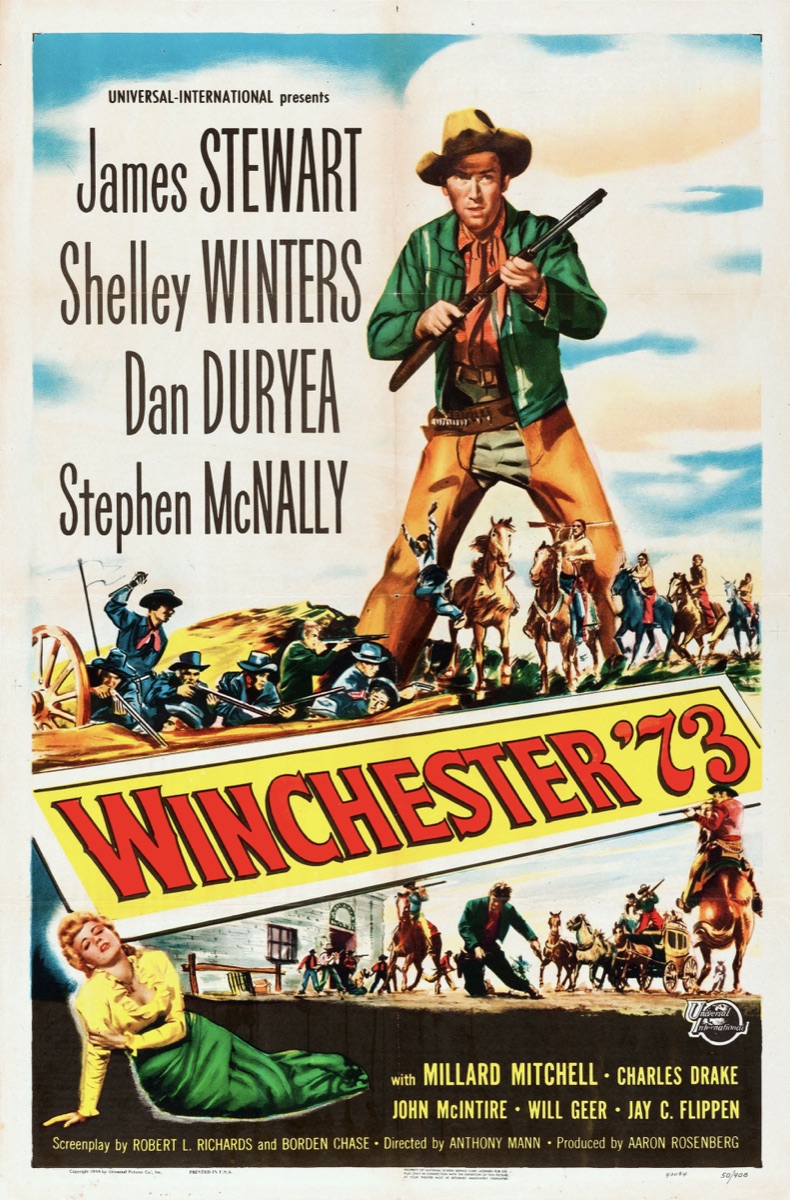
Theatrical poster for Winchester '73 (1950), artwork by Reynold Brown · Universal Pictures poster, public domain (US copyright not renewed), via Wikimedia Commons
Sources: Executive Order 10155 (American Presidency Project) · Truman's statement on the seizure · History.com: Truman orders Army to seize railroads · Wikipedia: August 1950 · Billboard best-seller charts, 1950 (issue scans) · Variety National Boxoffice Survey, 1950 (Lantern scans) · Retrosheet 1950 game logs and box scores. Every fact above is drawn from the records linked here — no dramatization, no invented details.
More from this series: Today in 1950 — the daily archive · every post from August 2026


Comments
Post a Comment