Crying in the Chapel: The Orioles' 1953 Hit and Songwriter
The Story Behind the Song · The Orioles, 1953
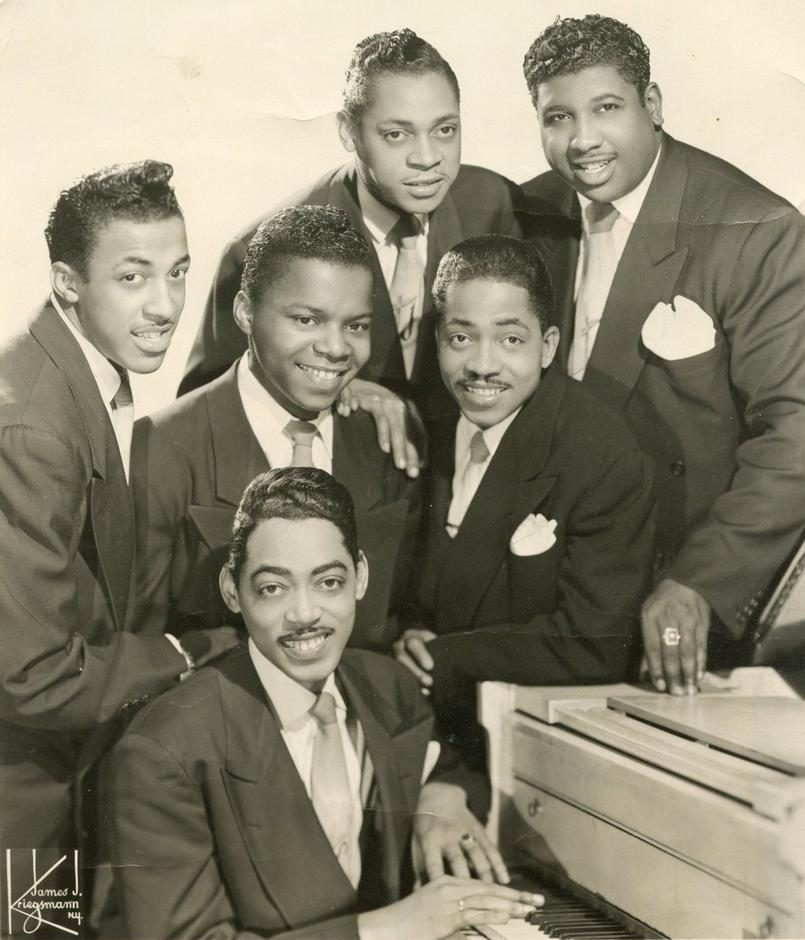
The Orioles in an early press photo by James J. Kriegsmann, taken before 1954 · Shaw Artists Corporation, published without copyright notice, public domain
Who wrote Crying in the Chapel?
Artie Glenn wrote "Crying in the Chapel," first recorded by his son Darrell Glenn on Valley Records. The Orioles recorded their version on June 30, 1953, and Jubilee released it that July. Their recording became a No. 1 R&B hit and crossed over to the pop charts.
The Orioles’ Crying in the Chapel: the 1953 charts
What happened next is the part worth remembering. By the Billboard issue dated September 5, 1953, the Orioles' record stood at No. 1 on both of the magazine's rhythm-and-blues charts at once — National Best Sellers and Most Played in Juke Boxes. A week later it was No. 11 on the pop Best Selling Singles chart. And it was not alone there: on a single page of that September 12 issue, four different versions of the same song were charting at the same time. Darrell Glenn's original sat in the pop juke-box top ten, June Valli's RCA Victor version was in the top seven of all three pop charts, Rex Allen's Decca record was in the low teens on its way to No. 9 on the country chart, and the Orioles were at No. 11. One song, four records, three separate American markets, all in the same week.
Sonny Til and the Orioles
The group behind it had been together five years by then. Sonny Til — born Earlington Tilghman — put the quintet together in Baltimore in the spring of 1948 out of amateur nights at the Avenue Cafe, with Alexander Sharp, George Nelson, Tommy Gaither and Johnny Reed. They were called the Vibra-Naires before they took the name of Maryland's state bird. Their manager was Deborah Chessler, a Baltimore salesgirl who also wrote their songs, and it was Chessler who put them in front of a national audience on Arthur Godfrey's Talent Scouts on May 3, 1948. They lost. The winner that night was George Shearing, the blind English jazz pianist, and the Orioles finished third. But the phone calls and telegrams that came in afterward were so heavy that Godfrey had them back on his daytime show four days later.
There was a price paid along the way that the records do not show. On November 5, 1950, driving home through the Essex section of Baltimore, Tommy Gaither took a curve too fast; the car crossed the highway, rolled three times and struck a restaurant. Gaither, the group's guitarist and second tenor, was killed. Nelson and Reed were pulled from the wreck unconscious. The group carried on, and "Pal of Mine" became their tribute to him.
One thing worth stating carefully: the Orioles are often called the first rhythm-and-blues vocal group, or the group that invented doo-wop. Neither claim holds up. Billboard's own year-end tally for 1948 ranked the Ravens ahead of them among vocal groups on what the magazine then called the race-records charts, and the word doo-wop was not applied to any of this music until long afterward. What the Orioles did do was make the soft, aching ballad style a national hit for the first time — and every group that gathered under a streetlight for the next decade was working from that template.
On the record
- Recorded June 30, 1953; released July 1953 on Jubilee 5122, backed with "Don't You Think I Ought to Know."
- No. 1 on Billboard's Top Rhythm & Blues Records: National Best Sellers and Most Played in Juke Boxes, issue of September 5, 1953 (week ending August 29).
- Pop peak No. 11 on Best Selling Singles, issue of September 12, 1953. Billboard's Top 100 did not exist yet — it began in November 1955.
- Written by Artie Glenn, first recorded by his son Darrell Glenn on Valley Records.
- The Orioles were inducted into the Rock and Roll Hall of Fame in 1995, in its early-influence category, by their former manager Deborah Chessler.
🎵 We recreate this sound — 1950s doo-wop and slow-dance ballads, new albums every week on the lovesong1950s channel.
Music on this channel is composed and produced with AI tools; the songs, stories, and artwork are original works created for lovesong1950s.
Sources: Billboard, September 5, 1953 — R&B charts (issue scan) · Billboard, September 12, 1953 — pop charts, four versions at once (issue scan) · Billboard, October 17, 1953 — country chart (issue scan) · Marv Goldberg's R&B Notebooks: The Orioles · Rock and Roll Hall of Fame: The Orioles. Chart positions are cited to the specific Billboard chart and issue date, because the magazine ran several separate charts in these years and a record could sit at No. 1 on one and No. 8 on another.
More from this series: the lovesong1950s home page · every post from August 2026


Comments
Post a Comment