September 12, 1950: Truman Fires His Defense Secretary
Today in 1950 · Tuesday, September 12, 1950
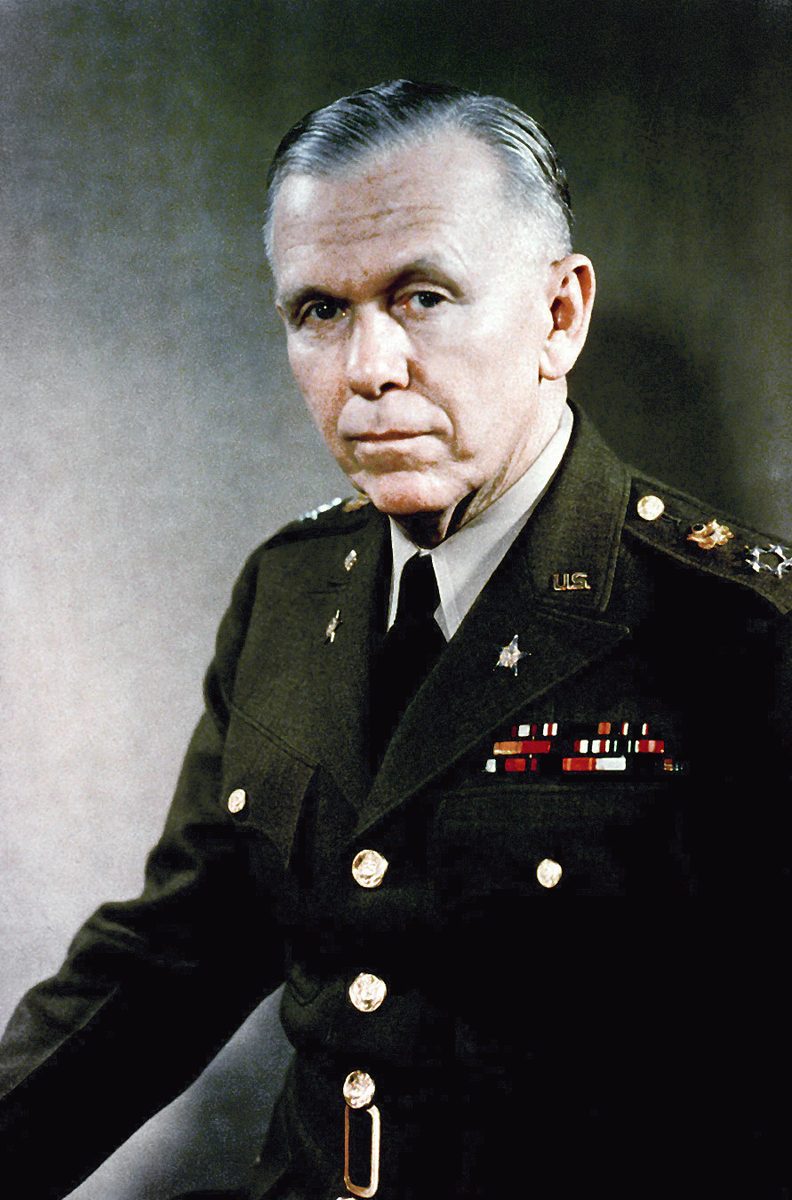
General George C. Marshall, official U.S. Army photograph, 1946 · U.S. Army photo, public domain, via Wikimedia Commons
On this day in 1950, President Truman accepted the resignation of Secretary of Defense Louis A. Johnson — a resignation history has always read as a firing. Johnson, who had championed deep defense cuts right up to the eve of the Korean War and feuded openly with Secretary of State Dean Acheson, became the administration's price for the war's early disasters.
The exit had one grace note: in his resignation letter, Johnson himself recommended General George C. Marshall as his successor, writing that Marshall 'more than any other individual I can think of, would be an inspiration to the people of the United States and to our allies.' Truman accepted the recommendation on the spot — though he noted that special legislation would be needed first, since the National Security Act barred a recent career officer from the civilian post.
Congress passed the waiver, and Marshall — the Army's wartime chief of staff, the author of the Marshall Plan, the most trusted public servant in America — was sworn in as Secretary of Defense on September 21. The resignation took effect September 19; the whole handover, from firing to Marshall at his desk, took nine days. Wars compress everything, including cabinet crises.
Also on this day
- At a Waldorf-Astoria meeting of Western foreign ministers, the United States formally proposed rearming West Germany.
- The Battle of Kyongju ended in a UN victory on the Pusan Perimeter's eastern flank.
- Datelined Las Vegas: Variety reported Mae West had signed a five-year deal to front the planned 'Diamond Lil' casino — $1,000 a week for the use of her name alone, plus stock in the venture.
🎵 On the radio that week: America’s No. 1 song was “Goodnight Irene” by Gordon Jenkins and The Weavers (Billboard best sellers) — Billboard's top record of 1950, topping the sales, jukebox and disc-jockey charts alike. That sound never really left — we recreate 1950s doo-wop and slow-dance ballads every week: read the stories behind our songs or listen on the lovesong1950s channel.
🎬 At the movies: Late summer's big pictures — “Sunset Boulevard,” “Annie Get Your Gun,” “Winchester '73” — were still crowding the marquees as the fall season warmed up.
⚾ In sports: Joe DiMaggio went 4-for-4 with three home runs at Washington's Griffith Stadium on the 10th, keeping the Yankees a half game back in an AL race with three teams packed within one game.
Sources: Variety, Sept 13, 1950 (Lantern scan): Mae West's Diamond Lil casino deal · Truman's letter accepting Johnson's resignation · Truman Library: the resignation letter · Wikipedia: September 1950 · Billboard best-seller charts, 1950 (issue scans) · Variety National Boxoffice Survey, 1950 (Lantern scans) · Retrosheet 1950 game logs and box scores. Every fact above is drawn from the records linked here — no dramatization, no invented details.
More from this series: Today in 1950 — the daily archive · every post from September 2026


Comments
Post a Comment